2026-10-10 ·
How Snake River Plain Winds Damage Roofs in Idaho Falls
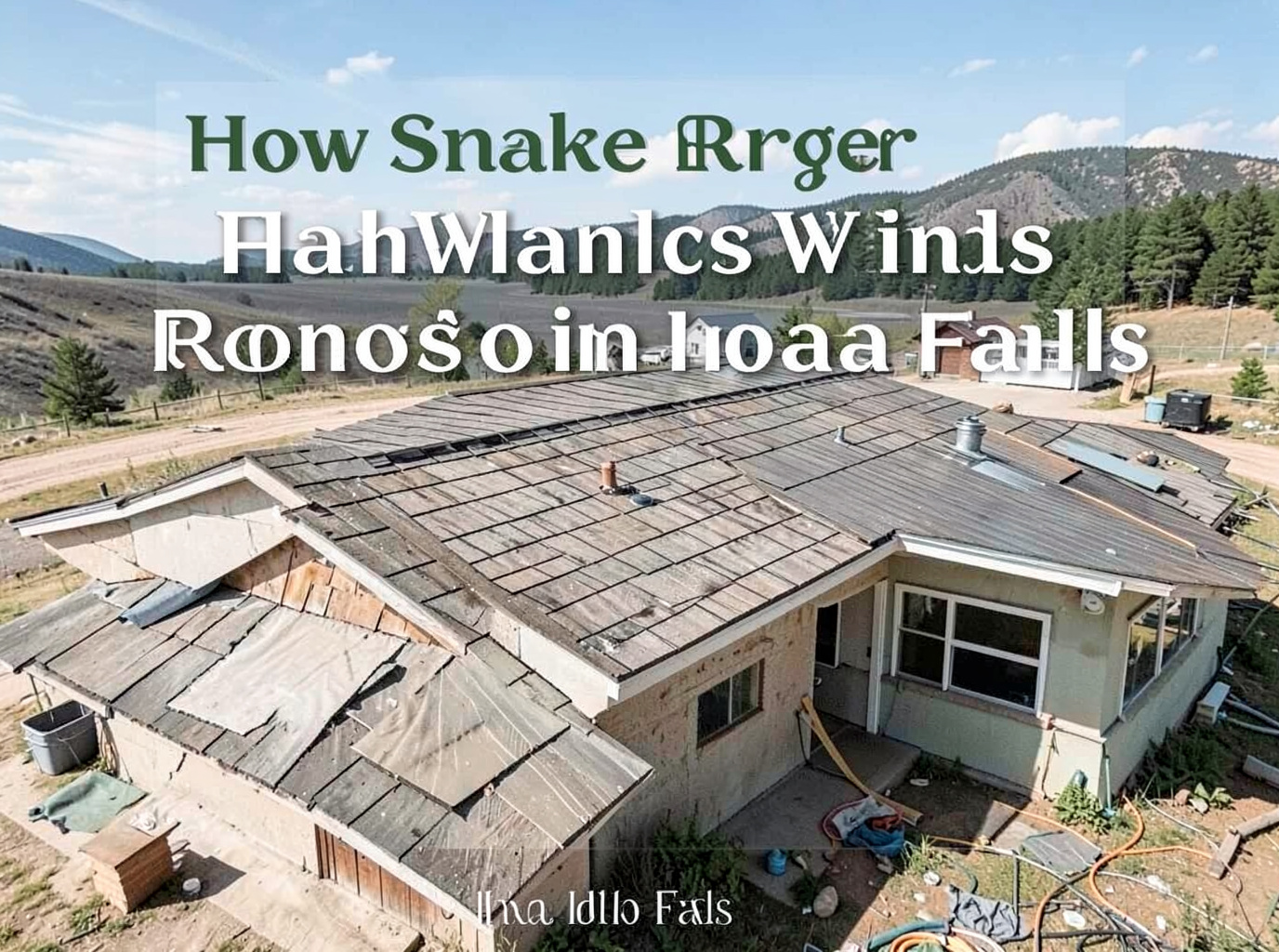
Snake River Plain winds reach sustained speeds of 25–40 mph with gusts over 60 mph that peel back shingles, pull nails, and separate flashing on roofs throughout Idaho Falls. These winds funnel along the Snake River corridor and hit hardest on south and west exposures in Downtown Idaho Falls, East Idaho Falls, and West Idaho Falls.
Wind Patterns Along the Snake River Plain
The Snake River Plain funnels prevailing southwest winds that accelerate as they move through Bonneville County. In winter these winds carry snow that packs into seams while summer brings dry gusts that sandpaper granules off asphalt shingles. Homes in Ammon and Rexburg experience similar exposure because the plain stretches north and east without major barriers. Over years the repeated flexing loosens fasteners on older three-tab roofs common in Tautphaus and Freeman neighborhoods. Inspectors often find lifted tabs first along ridge lines and eaves where wind pressure peaks.
Common Damage to Shingle and Flashing Systems
Uplift starts at the leading edges of shingles and works backward, exposing nail heads that then corrode in the freeze-thaw cycles of Idaho Falls winters. Pipe boots and vent boots crack faster when wind-driven dust abrades the rubber. Chimney flashing on homes near the Idaho Falls Greenbelt frequently separates because the metal expands and contracts while wind tugs at the sealant. In Sand Creek Estates and Woodland Hills, two-story homes with steep pitches show more ridge cap displacement than single-story ranches. Checking for these signs after any wind event prevents small issues from turning into interior leaks.
Inspection Steps After High-Wind Events
Walk the perimeter first and look for granules in gutters or on the ground near downspouts. Use binoculars to scan the roof from the Idaho Falls Greenbelt trail or a neighboring elevation rather than climbing in gusty conditions. Note any missing ridge cap pieces or curled shingle corners, especially on south-facing slopes. Document every location with photos that include the date and a landmark such as the Museum of Idaho or the zoo for reference. Homeowners in Comore Loma and Southpoint often schedule a full roof leak detection & inspection after the first spring windstorm to catch problems before summer heat expands existing gaps.
When to Schedule Wind Damage Roof Repair
Call for wind damage roof repair once you count more than five lifted shingles or see daylight through flashing gaps. Early intervention on a single vent boot or section of ridge usually costs far less than replacing an entire slope after water reaches the decking. Crews serving Airport and Community areas keep common shingle matches on hand for 1990s–2000s homes that dominate those subdivisions. Pairing the repair with gutter & downspout repair prevents overflow that concentrates water at already stressed eaves. After any major storm, review the steps in After the Storm: 8 Steps Before You Call a Roofer before climbing a ladder yourself.
Seasonal Timing and Long-Term Prevention
The strongest winds arrive in spring and late fall, so schedule checks in March before snowmelt and again in October before winter. Homes within a few blocks of the Snake River see faster wear because humidity and temperature swings are more extreme. Replacing aged sealant around chimney flashing every eight to ten years stops wind-driven rain from entering before it reaches the attic. Owners in Fairway Estates and Iona who add ridge vent baffles reduce uplift on newer roofs without changing the home’s appearance. Regular attention keeps small wind issues from becoming full roof repair projects.